Three Layers Every AI Agent Stack Needs
Abstract layered architecture artwork representing agentic AI security layers in navy, cyan, and amber tones

Application-level guardrails catch bad prompts. They don't stop a hallucinating agent from misusing a legitimate credential. Here's why agentic AI security requires three distinct architectural layers — and why most enterprises are underinvesting in the most important one. Read more

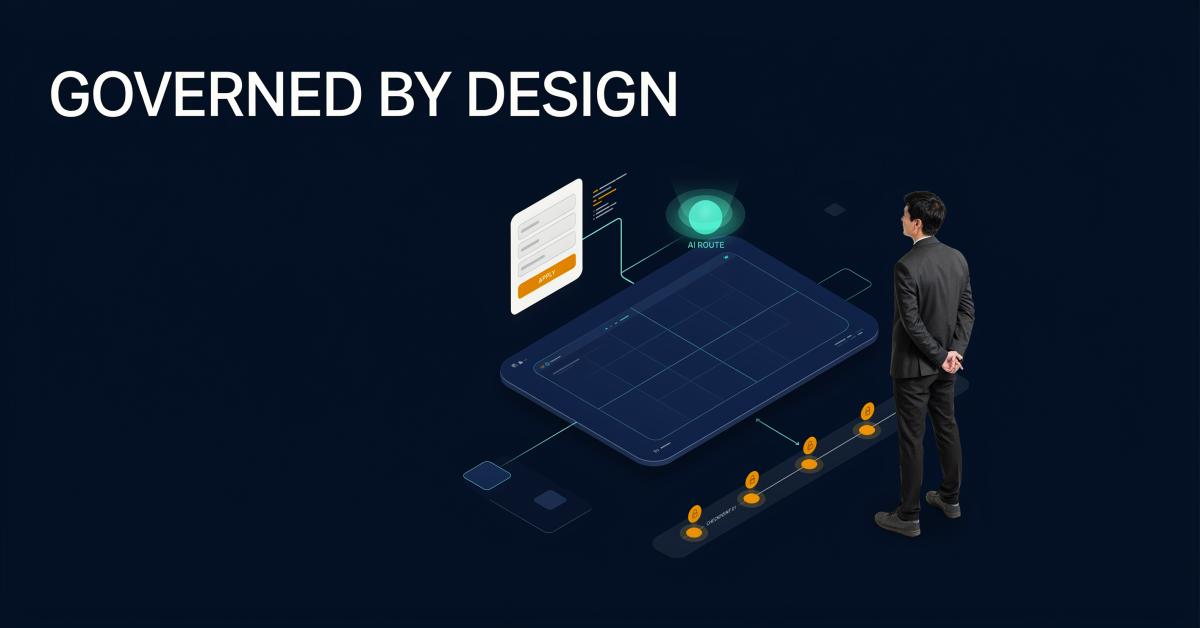
Governed Agents Are Reshaping Loan Processing

Isometric illustration of a governed AI agent loan workflow with structured decision paths, representing governed AI agents in lending

OutSystems' new agentic loan platform unites customer-facing apps, governed AI agents, and deterministic workflows in a single system — sitting on top of existing banking infrastructure rather than replacing it. Here's what that design choice signals about where agentic AI is actually headed. Read more

Why AI Value Stalls Before the Last Mile

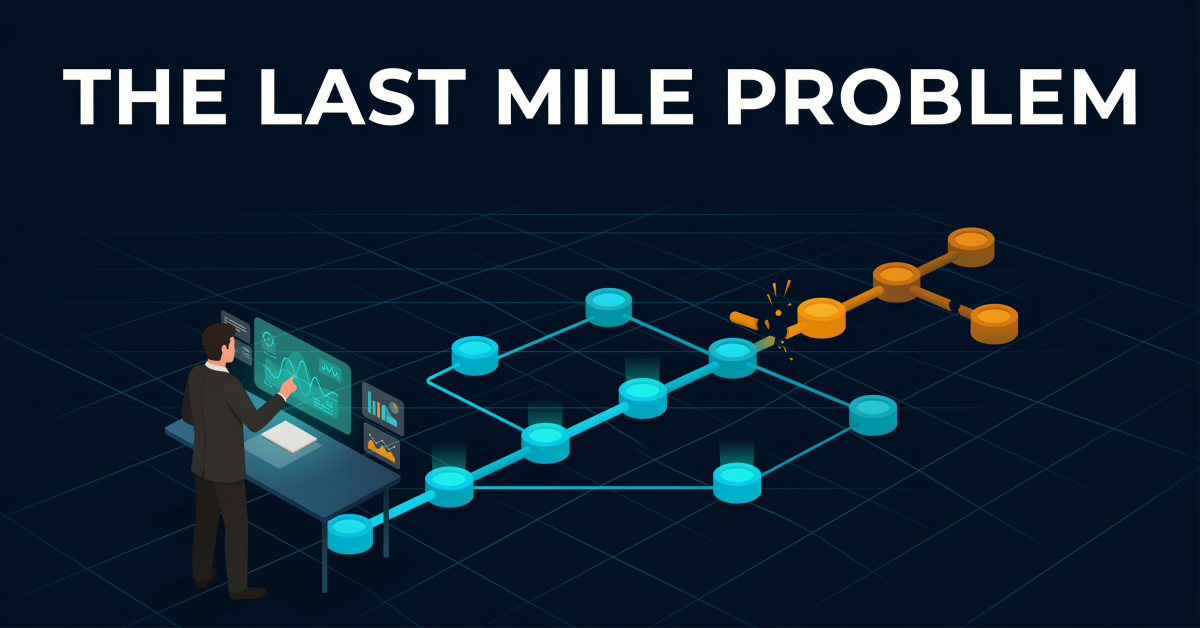
Editorial illustration of an AI workflow pipeline stalling before mission-critical workflows, showing a broken final connection

Enterprises are spending heavily on AI and seeing genuine capability gains — yet returns keep disappointing. The technology is arriving at the door but stopping short of the processes that actually move the needle. Understanding why that last mile is so hard to cross changes everything about how AI gets deployed. Read more

Why Scoped Agents Beat Autonomous Ones

Abstract network of scoped AI agent nodes in navy and cyan, illustrating governed agentic AI autonomy

Gartner predicts 40% of today's agentic AI projects won't make it to 2028 — not because the models failed, but because governance did. Here's what the enterprises that are succeeding actually have in common, and what it means for anyone deploying autonomous agents now. Read more

Linear Math Solves Costly AI Model Handoffs

Technical team reviewing a multi-LLM model handoff architecture diagram on a dark wall-mounted display during a working meeting

Every time an agentic system routes a task from one model to another, the receiving model pays a steep recompute penalty. Nvidia researchers found that simple linear math — not deep learning — can transfer conversational memory between models up to 25 times faster, with accuracy losses small enough to matter in production. Read more